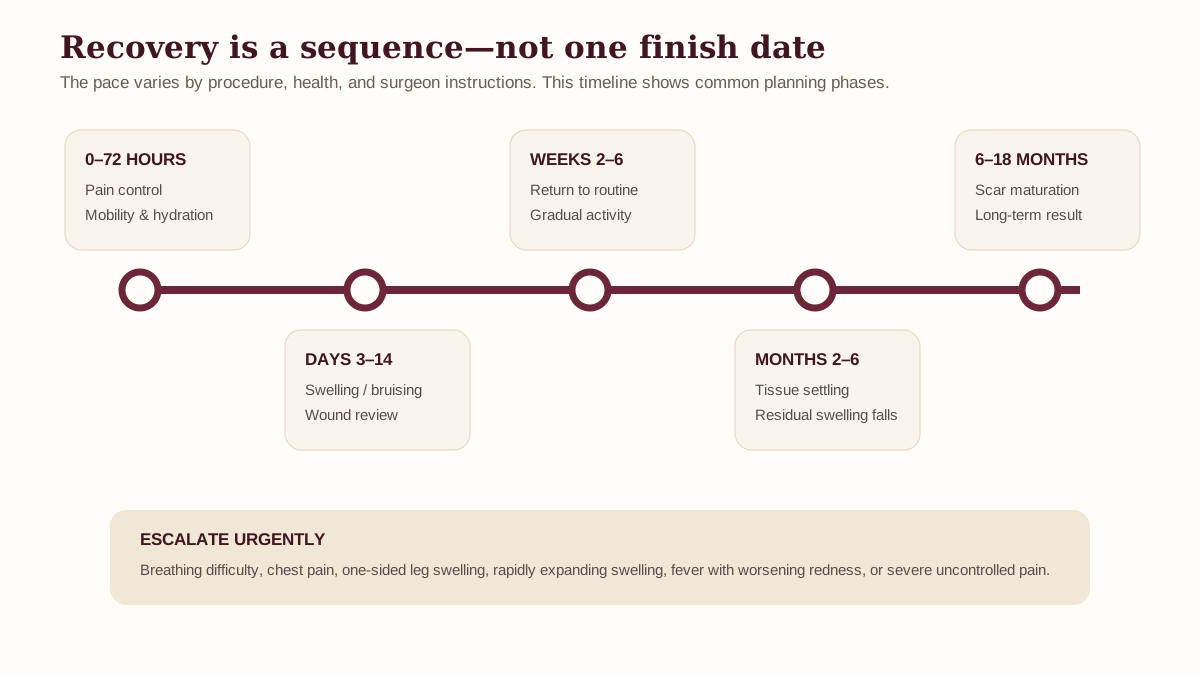
Recovery is the part of cosmetic surgery planning most patients underestimate — not because surgeons hide it, but because social media and before-and-after galleries rarely show the swollen, bruised middle weeks. This hub organizes every recovery mirror page on the site: procedure-specific day-by-day timelines, cross-cutting scar guidance, and a single warning-signs reference every recovery page links back to. Start here if you are comparing procedures, or jump directly to the guide matching your surgery.
Recovery by Procedure
Each procedure-specific guide walks through realistic milestones — when swelling peaks, when splints or sutures come out, when work and exercise resume, and when results are truly final. Eyelid surgery recovery is among the shortest visible timelines on this site; most patients feel presentable within two weeks, though subtle scar maturation continues for months. Rhinoplasty recovery splits into a short visible phase (splint off at day 7) and a much longer tip-refinement phase that can run a full year. Breast surgery recovery covers augmentation, lift, and reduction with compared timelines. For combined-procedure paths like a mommy makeover, expect the longest recovery window on this site — multiple surgical sites healing simultaneously require more time off and closer monitoring.
| Guide | Typical return to desk work | Full settling |
|---|---|---|
| Eyelid surgery | 7–10 days | 3–6 months |
| Rhinoplasty | 1–2 weeks | Up to 12 months (tip last) |
| Breast surgery | 1–2 weeks | 3–6 months |
| Mommy makeover (overview) | 2–3+ weeks | 6+ months |
Cross-Cutting Recovery Topics
Some recovery questions apply regardless of procedure. Our scars and healing guide explains how incisions mature over months to years and what interventions have real evidence behind them — silicone gel sheeting shows modest benefit for hypertrophic scars in published reviews2, though no product guarantees invisibility. Our warning signs guide covers fever, spreading redness, sudden severe pain, and possible blood-clot symptoms that need same-day attention after any surgery — every procedure recovery page on this site links there deliberately so you do not have to hunt for safety information.
Pairing Recovery Planning With Cost Planning
Lost income during recovery is often the largest hidden cost in cosmetic surgery. Each procedure cost mirror links to its recovery sibling where one exists: blepharoplasty cost pairs with eyelid recovery; rhinoplasty cost with rhinoplasty recovery; breast lift cost with breast surgery recovery. Combined-procedure paths use their overview page for recovery framing: mommy makeover cost pairs with the mommy makeover overview. See the full cost guide hub for procedure price ranges and financing options.
Parent Procedure Pages
Recovery mirrors are companions to — not replacements for — each procedure overview. For candidacy, technique, risks, and before-and-after context, always read the parent page: eyelid surgery, rhinoplasty, mommy makeover, breast lift, breast augmentation, and breast reduction. National procedural-volume statistics1 show that these operations are common, but volume data does not establish an individual patient's recovery timeline.
What the First Week Usually Looks Like
Regardless of procedure, the first 48 to 72 hours after cosmetic surgery tend to be the most uncomfortable: swelling peaks, pain medication is most necessary, and mobility is limited. Having prescriptions filled before surgery, preparing a recovery space with elevated sleeping arrangements, and arranging help for meals and childcare reduces stress during this window. Procedure guides above spell out specifics — splint care for rhinoplasty, drain management for some body procedures, ice and elevation for eyelids — but the general intensity of week one is remarkably consistent across surgeries.
Returning to Exercise Safely
Surgeons commonly restrict strenuous exercise because impact and elevated exertion can stress healing tissue. Light walking is often encouraged when the surgical team permits it. In abdominoplasty research, concurrent procedures and longer operative time were associated with higher complication and VTE concern.3 That evidence does not create one exercise schedule for every operation; your surgeon may extend restrictions based on the procedure and how you heal.
Scars, Warning Signs & When to Escalate
Every recovery path eventually intersects two cross-cutting guides on this site. The scars and healing page explains normal pinkness vs concerning hypertrophic scarring over months. The warning signs page is the single reference for fever, spreading redness, sudden severe pain, and calf or breathing symptoms that need same-day care — bookmark it before surgery, not after symptoms appear.
Your Surgeon's Instructions Win
These guides describe population-level typical recovery — your written post-operative instructions from your operating surgeon always take precedence. Differences in technique, anesthesia, drains, and garment protocols mean your timeline may legitimately differ from averages here. Use this hub to set expectations and ask better questions at follow-ups, not to self-diagnose complications or override medical advice.
Cost Mirror Siblings for Each Procedure
Recovery planning affects your finances as much as the surgical invoice. Where both mirrors exist, read them as a pair: blepharoplasty cost with eyelid recovery; rhinoplasty cost with rhinoplasty recovery; breast lift cost with breast surgery recovery. For mommy makeover, pair mommy makeover cost with the overview page, which folds combined-procedure recovery framing into one place. The full cost hub lists every procedure-specific price guide on this site.
Preparing Before Surgery Day
Recovery outcomes improve when preparation happens before anesthesia, not after discharge. Fill prescriptions early, stock easy meals, arrange pet and childcare coverage, and identify who drives you home and stays the first night. Download or print your surgeon's written instructions. Read the warning signs guide once before surgery so red flags are familiar if they appear — not learned for the first time at 2 a.m. during week one. Parent procedure pages under /procedures/ explain what the operation itself involves; this hub explains what the weeks afterward typically feel like.
How to Use the Procedure Guides Below
Each card below links to a dedicated recovery mirror with day-by-day or week-by-week detail beyond this overview. Eyelid and rhinoplasty guides are the best starting points if you want a shorter visible recovery; mommy makeover and breast surgery guides describe longer restrictions on lifting and compression garment use. Cross-cutting guides on scars and warning signs apply no matter which procedure card you choose — read both before surgery if possible, and open the matching cost mirror when planning time off work alongside surgical fees.

Eyelid Surgery Recovery
Day-by-day swelling and bruising timeline.
Read more →
Rhinoplasty Recovery
Splint removal, swelling resolution, final-result timeline.
Read more →
Breast Surgery Recovery
Augmentation, lift, and reduction recovery compared.
Read more →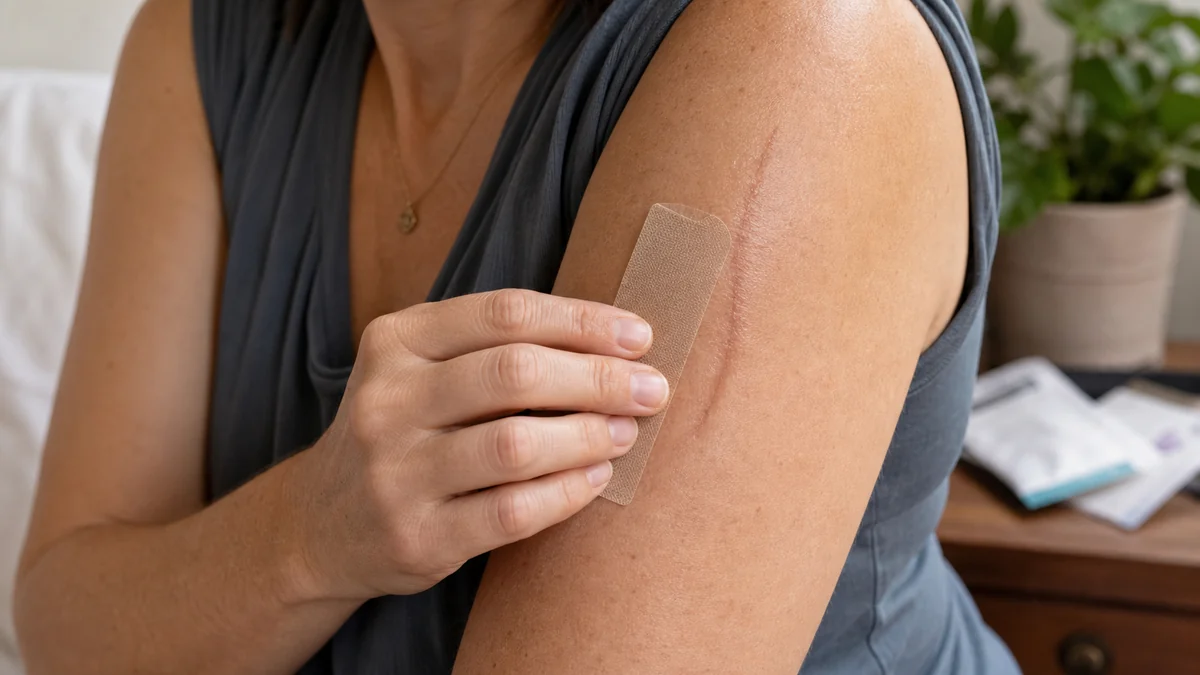
Scars & Healing
How incisions mature over months to years, and what actually helps.
Read more →
Warning Signs After Surgery
Symptoms that need same-day medical attention, across procedures.
Read more →Safety Resources Beyond Recovery Timelines
Recovery mirrors describe normal healing; they are not a substitute for understanding procedural risks. Our risks and complications hub and anesthesia safety page complement this section when you are still deciding whether to proceed. Once surgery is scheduled, keep your surgeon's after-hours contact handy and review warning signs again the night before your procedure date — preparation reduces panic when normal early swelling looks alarming.
Frequently Asked Questions
Which procedure has the shortest recovery on this site?
Eyelid surgery typically has the shortest visible recovery — most patients return to desk work within 7 to 10 days, though final scar maturation takes months.
Which procedure has the longest recovery?
Mommy makeover recovery is generally the longest because multiple body areas heal simultaneously. Rhinoplasty has a deceptively long internal timeline too — tip refinement can continue up to a year.
Where do I find warning signs that need urgent care?
See our dedicated warning signs guide — it applies across all procedures on this site.
Do recovery guides replace my surgeon's instructions?
No. These guides describe typical patterns; your surgeon's written post-op instructions always take precedence for your specific case.
When can I return to exercise after cosmetic surgery?
Timelines vary by procedure — light walking is usually encouraged early, while strenuous exercise is restricted for weeks. Each procedure recovery page on this site lists typical clearance windows; your surgeon may extend them based on how you heal.
How long until scars fade after surgery?
Incisions typically look pink or raised for months before maturing over one to two years. See our scars and healing guide for what normal maturation looks like versus signs that need follow-up.