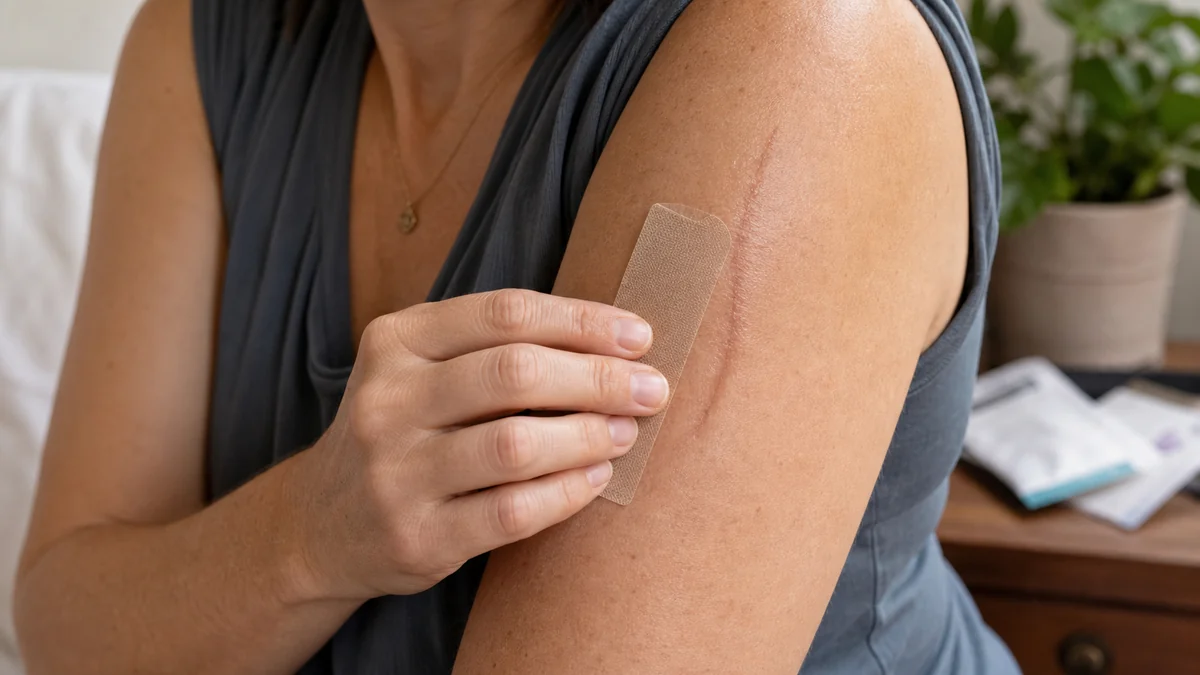
Almost every cosmetic surgical procedure leaves some form of scar, and while the exact scar pattern varies by procedure, the underlying biology of how scars heal is remarkably consistent. This page covers the general healing timeline and evidence-based scar care that applies broadly, regardless of whether your incision came from a facelift, breast surgery, tummy tuck, or another procedure. For scar patterns and healing specific to one procedure, see our deeper breast reduction scars guide — this page is the cross-procedure overview it sits alongside.
The General Healing Stages
Surgical scars move through several overlapping phases. In the first few weeks, the wound is actively closing and often appears pink or red and slightly raised — this is normal inflammatory healing, not a sign of a problem. The most active remodeling phase happens roughly 3 to 6 months after surgery, when collagen in the scar reorganizes and the scar typically reaches its firmest, most visible state before beginning to soften. Full maturation — where the scar flattens, softens, and lightens toward a color closer to your surrounding skin — generally takes a total of 1 to 2 years, though it rarely disappears completely.
| Stage | Typical timing | What's happening |
|---|---|---|
| Initial healing | 0–3 weeks | Wound closes, mild redness/rise |
| Active remodeling | 3–6 months | Scar often looks its worst, then begins flattening |
| Continued fading | 6–12 months | Gradual softening and lightening |
| Full maturation | 1–2 years | Scar reaches its final, stable appearance |
What Affects How a Scar Heals
Several factors genuinely influence the final scar outcome, and it's worth understanding them honestly rather than assuming every scar heals identically. Skin type and genetics play a meaningful role — some people are simply more prone to raised, thickened (hypertrophic) or keloid scarring regardless of technique. Tension on the wound during healing, closure technique, and surgeon experience with the specific incision type all matter — evidence-based, office-based surgical standards emphasize consistent wound-care protocols as part of minimizing preventable scar complications.3 Smoking impairs blood flow to healing tissue and is one of the most controllable factors that worsens scar outcomes, along with sun exposure on the healing incision, covered next.
Sun Protection
Healing scar tissue lacks the normal pigment-regulating structure of surrounding skin, which makes it especially prone to permanent darkening or blotchy discoloration if exposed to UV light while it's still actively healing. Covering the incision with clothing, a bandage, or broad-spectrum sunscreen once the wound is closed — consistently, for at least the first 12 months — is a simple, low-risk step that meaningfully protects the eventual color match between the scar and surrounding skin. This is easy to overlook once a scar starts looking better and feels less like an active medical concern, which is exactly when the discipline tends to slip.
What Has Real Evidence
Scar-care marketing is full of products promising dramatic results with thin scientific backing, so it's worth being specific about what actually has evidence behind it. A Cochrane systematic review of silicone gel sheeting for hypertrophic and keloid scars found weak but real evidence of benefit, both for preventing raised scarring in high-risk patients and for improving already-established scars — while explicitly cautioning that overall study quality in this research area remains limited. Be skeptical of any product claiming to make a surgical scar disappear entirely — no current over-the-counter treatment reliably does that.
When to Be Concerned
Most scar changes during the first year are a normal, if sometimes alarming-looking, part of the maturation process described above. Genuine reasons to contact your surgeon include a wound that reopens, drains pus or foul-smelling fluid, becomes increasingly painful weeks after surgery rather than steadily improving, or grows notably firmer, wider, or more raised well past the expected 3-to-6-month remodeling window — which can indicate a keloid or hypertrophic scar that may benefit from targeted treatment. These are different from the general "same-day emergency" red flags covered in our cross-procedure warning signs guide, which focuses on signs of infection, bleeding, or blood clots rather than scar-specific concerns.
Return to Work, Exercise & Social Activity
Recovery timelines for any cosmetic surgery with incisions vary by individual healing speed, surgical scope, and whether you have a physically demanding job — but the milestones on this page reflect what most patients experience when they follow post-op instructions closely. Desk-based work often resumes sooner than jobs requiring heavy lifting, prolonged standing, or exposure to dust and debris near healing incisions. Strenuous exercise should stay on hold until your surgeon clears it; returning too early can prolong swelling, increase bleeding risk, or affect scar quality. Our procedure overview covers candidacy and technique; this page focuses purely on what happens after surgery.
Managing Expectations During Healing
One of the most common recovery frustrations is comparing your day-by-day progress to idealized before-and-after photos taken months after surgery. Early swelling, asymmetry, and stiffness are normal stages — not evidence that something went wrong. Keep follow-up appointments even when you feel fine; surgeons often spot subtle issues early that patients miss. Silicone gel sheeting shows modest evidence1 for improving hypertrophic and keloid scars when used consistently — results vary and it is not a guarantee of invisible scarring. If symptoms fall outside the normal patterns described here — fever, spreading redness, sudden severe pain, or possible blood-clot signs — see our warning signs guide immediately rather than waiting for a routine visit.
Scar Maturation Timeline
Incision scars typically pass through three phases: inflammatory (weeks 1–2), proliferative (weeks 3–8), and remodeling (months 3–24). Pinkness, firmness, and slight elevation during the first months are normal — not necessarily abnormal scarring. Sun protection during maturation reduces persistent discoloration; UV exposure on fresh scars can permanently darken them.
Scar care begins with protecting the incision, not applying the largest number of products. Follow the surgeon's wound instructions until the skin is fully closed; a product intended for a mature scar may irritate an open or fragile incision. Once topical care is permitted, introduce one method at a time so redness or sensitivity can be traced. More treatment is not automatically better, and massage, silicone, tape, or pressure should match the location and the surgeon's plan.
Photograph the scar at consistent intervals rather than reacting to daily color changes. Use the same light, distance, and position every few weeks and note symptoms such as itching, tenderness, widening, firmness, or drainage. Early scars commonly look darker, pinker, or more raised before maturation. The useful question is whether the scar follows an expected trend for its age and body location, not whether it is already faint at six weeks.
Seek review when the pattern changes in a concerning direction: an incision opens, drainage develops, redness spreads, pain increases, or the scar grows progressively thick, itchy, and beyond the original incision. Early assessment can distinguish normal maturation from infection, wound separation, hypertrophic scarring, or a keloid tendency. If treatment is recommended, ask what outcome it targets, how long improvement should take, and when the plan will be reassessed rather than buying an unsupervised “scar removal” package.
Frequently Asked Questions
How long does it take for a surgical scar to fully mature?
Most surgical scars go through active remodeling for the first 3 to 6 months, then continue gradually flattening and fading for a total maturation period of about 1 to 2 years. Individual genetics, skin type, and scar location all affect exactly how long this takes.
Does silicone scar treatment actually work?
A Cochrane systematic review found weak but real evidence that silicone gel sheeting can help prevent and improve the appearance of raised hypertrophic and keloid scars, though overall study quality in this area remains limited. It's one of the more evidence-supported non-invasive options, not a guaranteed fix.
Why does sun protection matter for healing scars?
Healing scar tissue lacks the normal pigment-regulating structure of surrounding skin, making it prone to permanent darkening or unevenness if exposed to UV light during the first year of healing. Consistent sun protection or covering the area is a simple, low-risk step that meaningfully reduces this risk.
Is it normal for a scar to look worse before it looks better?
Yes — scars typically look their most red, raised, or firm around the 2 to 3 month mark, during the most active phase of tissue remodeling, before gradually starting to flatten and fade. This dip is a normal part of the healing curve, not a sign that something has gone wrong.
When should I be concerned about a scar?
A scar that opens, drains pus, becomes increasingly painful weeks after surgery, or grows notably firmer and larger well past the expected remodeling window warrants a call to your surgeon. Most of these changes are treatable when caught early — see our warning signs guide for broader same-day red flags.
Is this the same as the breast reduction scars guide?
No — this page covers general, cross-procedure scar healing that applies regardless of which surgery you had. For scar patterns, placement, and healing specific to breast reduction, see our dedicated breast reduction scars guide, which goes deeper on that one procedure.